


Everything You Need to Know About Eurograde 1 Certified Safes
Everything You Need to Know About Eurograde 1 Certified Safes
Eurograde 1 safes are independently tested and certified to the EN 1143-1 burglary-resistance standard, with a typical insurance rating of £10,000 cash or £100,000 valuables.
This guide explains what Grade 1 means, how certification works, who this level of security suits, the locking and fire-protection options you may encounter, and what to consider before buying.
What is a Eurograde 1 safe?
A Eurograde 1 safe is a high-security safe independently tested and certified to EN 1143-1. The grade identifies a recognised level of resistance to burglary attack rather than relying simply on a manufacturer's own description of the safe.
For insurance purposes, Grade 1 is typically associated with protection of up to £10,000 in cash or £100,000 in valuables, although you should always confirm the exact requirement with your insurer.
Different wording, same grade
Eurograde 1 safes may also be described as:
- Euro Grade 1 safes
- EN 1143-1 Grade 1 safes
- Grade 1 insurance-approved safes
- Eurograde One safes
See the different Grade 1 safes we offer
Look at our Eurograde 1 Safe ranges below:
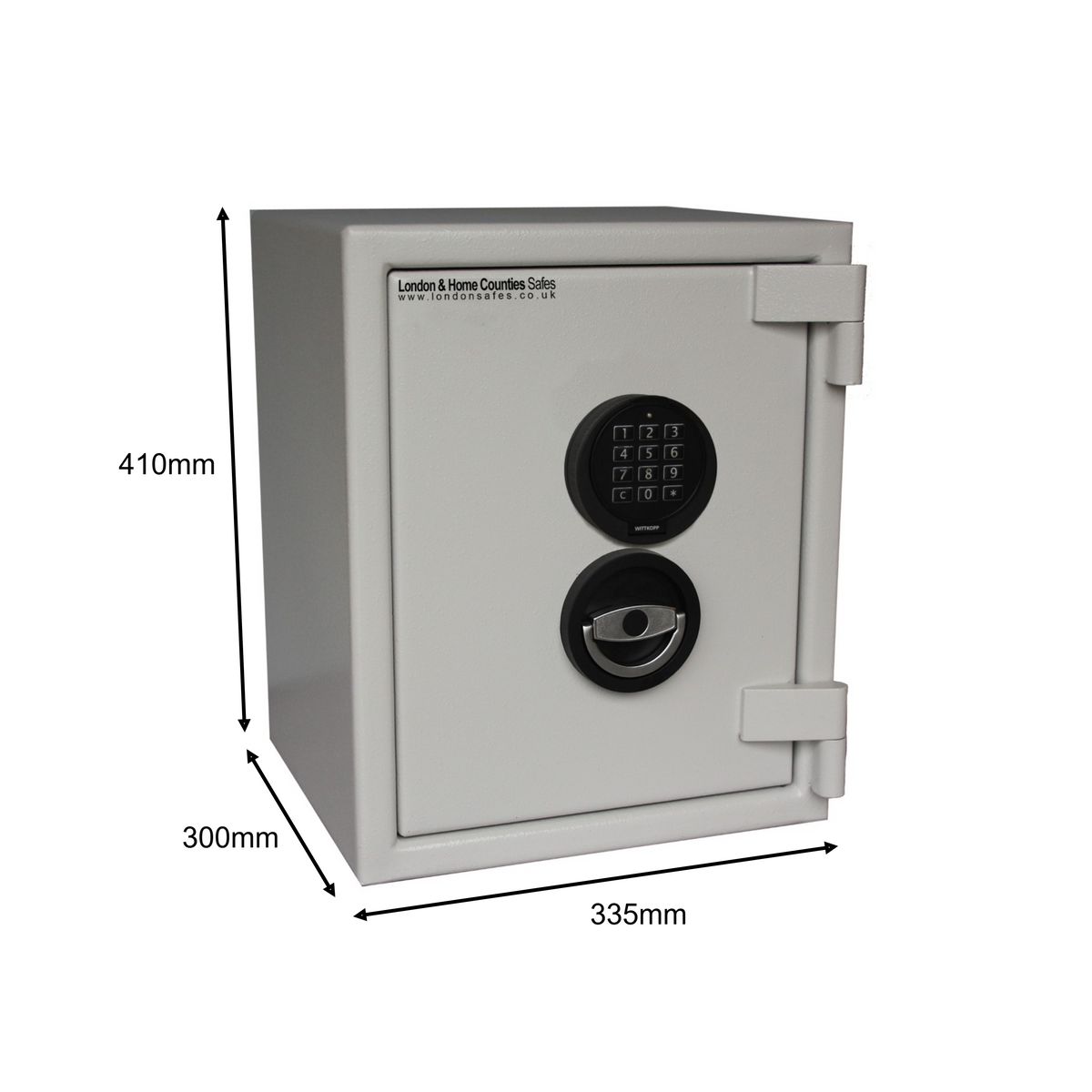
Sussex Eurograde 1
VIEW RANGE →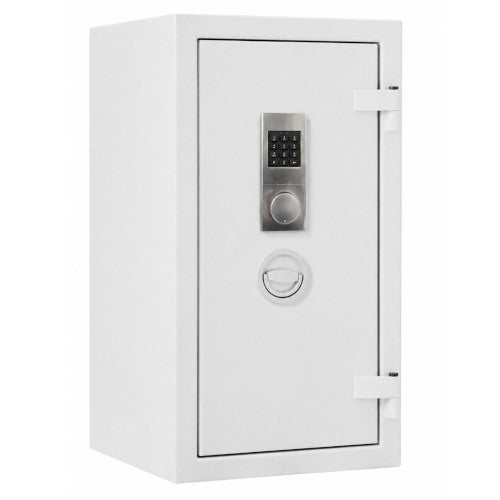
Osmium Eurograde 1
VIEW RANGE →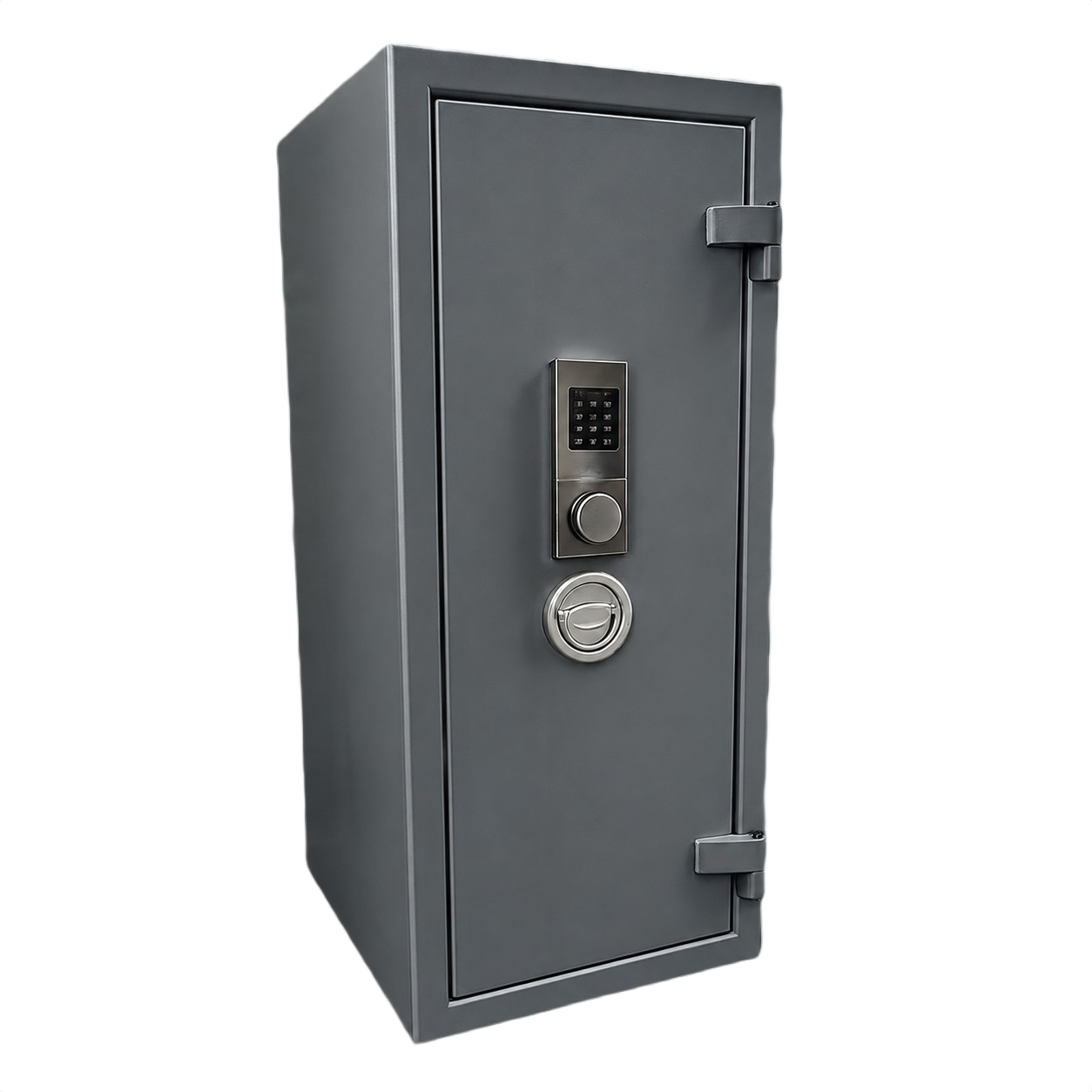
Osmium Deluxe Eurograde 1
VIEW RANGE →
KeySecure VICTOR Grade 1
VIEW RANGE →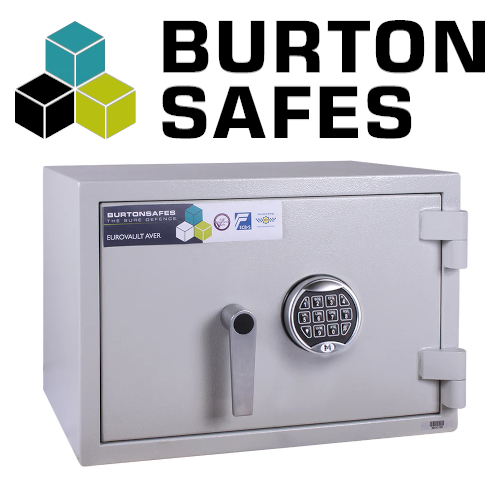
Burton Safes Eurograde 1
VIEW RANGE →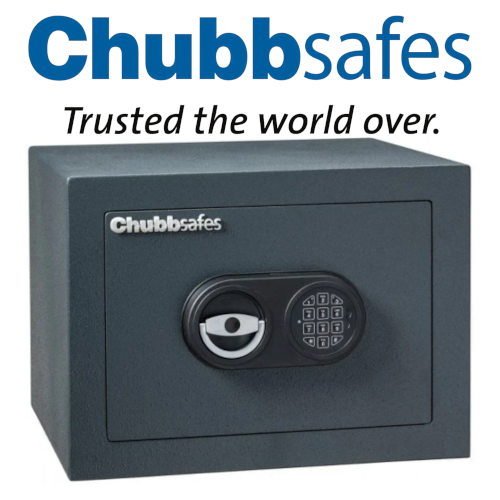
Chubbsafes Eurograde 1
VIEW RANGE →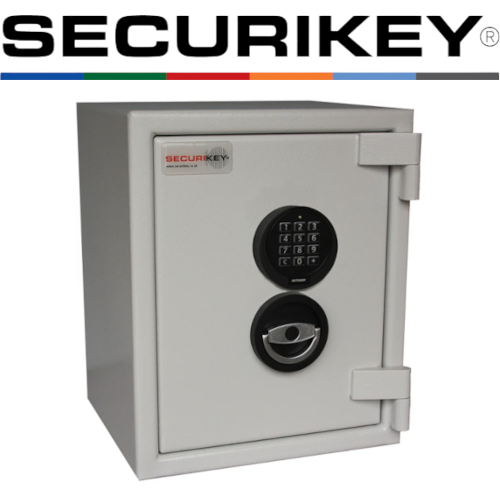
Securikey Eurograde 1
VIEW RANGE →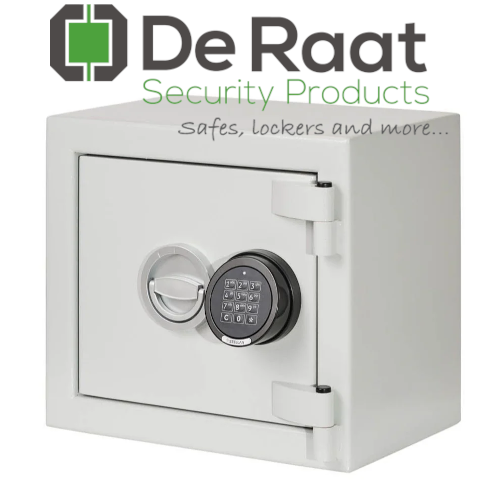
De Raat Eurograde 1
VIEW RANGE →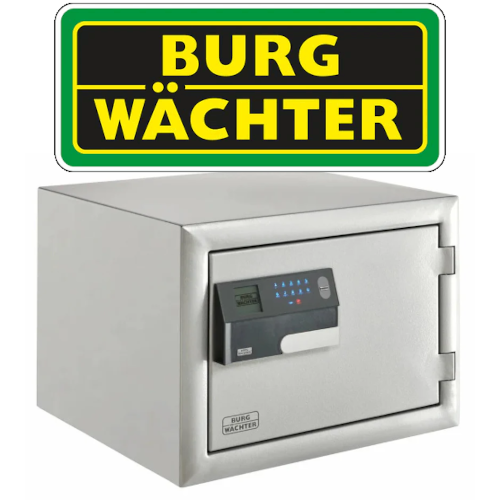
Burg-Wächter Eurograde 1
VIEW RANGE →What should you expect from a Eurograde 1 safe?
Professional-grade burglary resistance
Grade 1 is a recognised certified security level rather than a simple manufacturer claim.
Independent certification
Certification is normally confirmed by a recognised testing and certification body and recorded on the safe's certification plate.
Choice of locking systems
Depending on the model, key, electronic, biometric or dual-locking options may be available.
Designed to be anchored
Insurance-rated safes are normally intended to be securely anchored to suitable structural material in the property.
Fire protection on some models
Fire performance is separate from the Eurograde security test, but some Grade 1 models also carry independent fire certification.
£10,000 cash / £100,000 valuables
This is the typical UK insurance rating associated with Eurograde 1, subject to your insurer's own requirements.
How are Eurograde 1 safes tested?
To be certified to Grade 1, a safe undergoes formal attack-resistance testing in an accredited environment. Recognised certification bodies and test houses include organisations such as ECB-S and VdS.
Controlled attack
The safe is subjected to recognised attack methods using a range of tools and techniques.
Resistance is measured
The test measures the safe's resistance and the effort required to obtain access.
Grade is awarded
If the required resistance level is achieved, the safe can be certified to the appropriate EN 1143-1 grade.
Certification plate
A certification label or metal plate is normally fitted inside the safe, often on the inside of the door.
Why Eurograde 1 is such a popular level
Insurance recognition: Grade 1 is commonly specified where the required cover is around £10,000 cash or £100,000 valuables.
Certified security: EN 1143-1 provides a recognised benchmark across different manufacturers.
Wide choice: Grade 1 is available in many sizes and from numerous manufacturers, giving you far more choice than a single-brand solution.
Practical for homes and businesses: It offers a substantial security rating without automatically moving into the much heavier higher grades.
Typical Grade 1 users
Why correct installation matters
A Eurograde 1 certification tells you how the safe itself has performed under testing, but the safe still needs to be installed correctly. An insurance-rated safe should normally be securely anchored using the manufacturer's approved fixing method and a fixing point suitable for the construction of the property.
Real homes can include concrete floors, masonry walls, timber floors, wardrobes, raised cupboard bases, plasterboard systems or underfloor heating, so the correct fixing method needs to suit the actual installation location.
London & Home Counties Safes offers professional delivery and installation throughout its service area. The applicable delivery and installation option is shown on the relevant product page according to your zone.
Which lock is best?
Key locking: simple and reliable, but the keys themselves need to be stored securely.
Electronic locking: convenient PIN access without the need to carry a physical key.
Dual or specialist locking: available on selected models where additional access control is required.
The best choice depends on who will use the safe, how frequently it will be opened and whether convenience or key control is your priority.
Does Eurograde 1 include fire resistance?
No — not automatically. Eurograde 1 is a burglary-resistance classification. Fire performance is assessed separately.
Some Grade 1 safes also carry a recognised fire standard, such as EN 15659, while others may have little or no independently certified fire protection. Always check the exact model specification if fire protection is important to you.
Eurograde 1 vs nearby grades
As you move up the Eurograde system, the cash and valuables ratings increase.
| Eurograde | Cash Rating | Valuables Rating |
|---|---|---|
| Grade 0 | £6,000 | £60,000 |
| Grade 1 | £10,000 | £100,000 |
| Grade 2 | £17,500 | £175,000 |
| Grade 3 | £35,000 | £350,000 |
What should you consider before buying?
Is Eurograde 1 the right level for you?
If your insurer has asked for a Grade 1 safe, or you are deciding between Grade 0, Grade 1 and a higher security level, speak to us and we will help you understand the options and the installation requirements.