


Everything You Need to Know About Eurograde 6 Safes: Elite-Level Protection for High-Risk Assets
Everything You Need to Know About Eurograde 6 Safes: Elite-Level Protection for High-Risk Assets
Eurograde 6 safes sit at the specialist end of the EN 1143-1 security scale, providing exceptionally high burglary resistance for cash, jewellery, bullion and other high-risk assets.
They are designed for situations where very high insurance values and serious resistance to professional attack are required. Higher Eurogrades do exist, but Grade 6 remains an extremely high-security level for a freestanding safe.
What is a Eurograde 6 safe?
A Eurograde 6 safe is a very high-security safe certified under EN 1143-1 for resistance to burglary attack.
The certification confirms that the safe has passed formal resistance testing using recognised attack methods and tools. At this level, construction is substantially more formidable than lower Eurogrades and the safes are usually extremely heavy.
The typical insurance guideline is £150,000 cash or £1,500,000 valuables. Always confirm the exact requirement with your insurer before ordering.
A specialist level of certified resistance
Grade 6 sits far above ordinary domestic safes and is intended for situations where the risk, asset value or insurer requirement justifies a specialist high-security product.
To reach this level, manufacturers use advanced barrier materials, hardened steel, reinforced boltwork and attack-resistant construction. Exact materials and protective features vary by manufacturer and model.
Where are Eurograde 6 safes typically used?
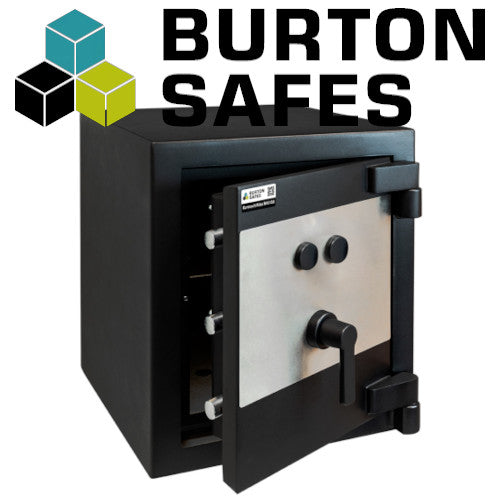
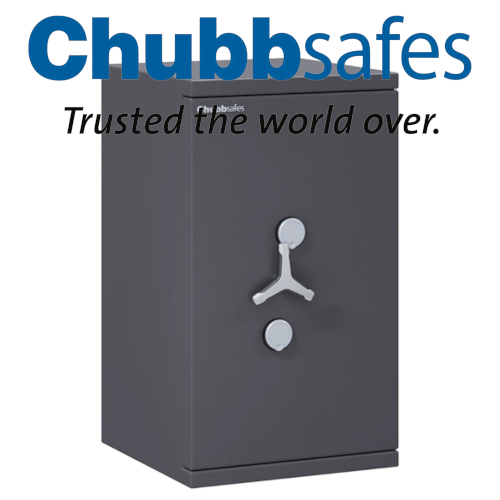
Eurograde 6 safe ranges available from London Safes
Our current Grade 6 collection includes ranges from several specialist safe manufacturers. The image areas below are all the same size so the section remains visually even.


What should you expect from a Grade 6 safe?
Multi-layer construction
Heavy steel and advanced barrier materials are used to resist sustained attack.
Advanced locking options
High-security key, electronic and multi-lock configurations may be available depending on the model.
Certified burglary resistance
Grade 6 certification is based on formal EN 1143-1 resistance testing.
Secure anchoring
These safes are intended to be professionally anchored to an appropriate structural substrate.
Fire protection on some models
Some Grade 6 safes also carry separate fire certification; fire resistance is not automatically included by the Grade 6 burglary rating.
Configurable interiors
Selected models can be specified with shelving, drawers or other internal storage arrangements.
Locking systems can be as important as the safe itself
The exact lock specification varies by safe model and should be chosen around the operational and insurance requirements of the installation.
Independent certification matters
Eurograde 6 certification is not simply a manufacturer's claim. The safe must be independently assessed and certified to the relevant EN 1143-1 grade.
Recognised European certification and testing organisations include bodies such as ECB-S and VdS, depending on the manufacturer and safe range.
A certified safe normally carries a certification plate or label inside the safe, often on the inside of the door, identifying the relevant standard and grade.
Burglary resistance and fire resistance are separate
Eurograde 6 describes the safe's burglary resistance. It does not automatically mean that the safe has a certified fire rating.
Some models may additionally carry a recognised fire standard such as EN 15659 or another independently tested fire classification. Always check the exact specification if document or media fire protection is required.
Use the rating as a guideline, not a substitute for insurer approval
The typical UK guideline for Eurograde 6 is £150,000 cash or £1,500,000 valuables.
Insurers may apply their own requirements depending on the property, alarm system, type of asset, location, occupancy and wider security arrangements.
Before ordering: ask your insurer to confirm the minimum grade or cash rating they require for the assets you intend to protect.
How Grade 6 compares with Grades 4 and 5
The increase in grade brings a corresponding increase in typical insurance rating and tested burglary resistance.
| Grade | Cash Rating | Valuables Rating |
|---|---|---|
| Grade 4 | £60,000 | £600,000 |
| Grade 5 | £100,000 | £1,000,000 |
| Grade 6 | £150,000 | £1,500,000 |
Grade 6 safes need careful planning before delivery
Because of their weight, value and insurance role, Grade 6 safes should be professionally planned and installed. Access, floor loading, turning space, anchoring position and final location all need to be considered before delivery.
Site & access assessment
Door widths, corridors, steps, floors and turning spaces all matter with a very heavy safe.
Structural fixing
The safe needs a suitable structural substrate and the correct anchoring method for the model and property.
Discreet handling
Our installers use deliberately unmarked vehicles and plan the installation around the access conditions of the property.
For the rest of the UK mainland, delivery is free but installation is not included. Grade 6 safes can also require additional planning or specialist handling because of their weight and access requirements.
Five questions to answer first
Elite-level protection for exceptional-value assets
Eurograde 6 safes are built for situations where compromise is not an option. They combine very high burglary resistance, specialist construction and a typical £150,000 cash / £1.5 million valuables insurance rating.
For a safe at this level, choosing the right model and planning the installation are equally important. Speak to us before ordering and we can help with the grade, lock specification, access and installation requirements.